
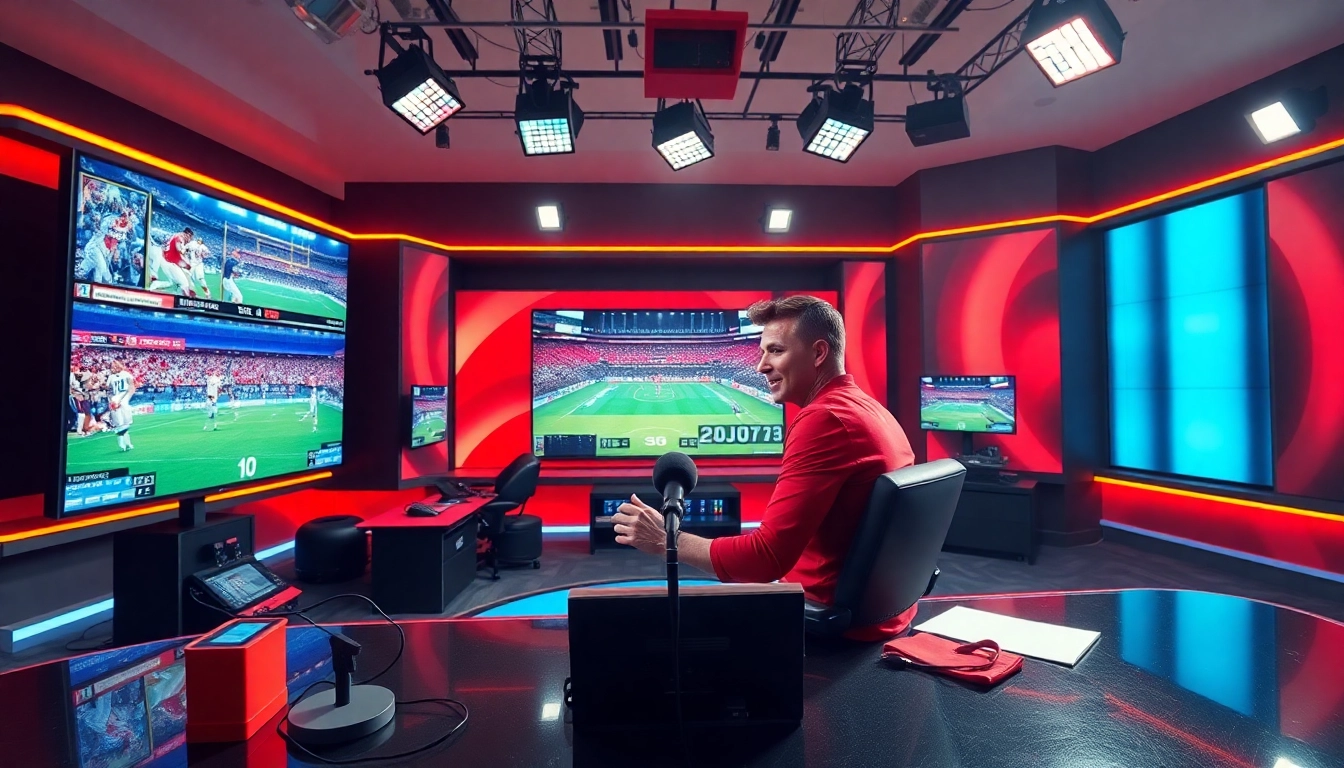
Introduction to Sports Broadcasting
Sports broadcasting is a vital component of the media landscape, bringing the excitement of athletic competition to audiences worldwide. It encompasses the live transmission and reporting of sports events across various platforms, including television, radio, and the internet. The evolution of technology has significantly changed the way fans consume sports, leading to immersive experiences that engage viewers like never before. This article delves into the various aspects of Sports Broadcasting, exploring its fundamentals, types, challenges, best practices, and future trends.
Understanding the Basics of Sports Broadcasting
At its core, sports broadcasting serves as the medium that connects fans with their favorite sports and teams. This connection is facilitated through various formats, including live coverage, commentary, and analyses. Understanding the basic elements of sports broadcasting is essential for anyone looking to enter this dynamic field or simply gain a deeper appreciation for its complexity.
The broadcasting process begins with the selection of events to cover, securing broadcast rights, and then utilizing various technological means to capture and relay these events to audiences. Factors such as statistics, pre-and post-game analyses also play significant roles in creating engaging content that reinforces audience loyalty and satisfaction.
The Role of Technology in Sports Broadcasting
Technology is the backbone of modern sports broadcasting. High-definition video, advanced sound equipment, and mobile streaming platforms have radically transformed the industry. From capturing multiple camera angles to incorporating instant replay and graphics, technology enhances the viewing experience, making it more engaging and informative. Innovations such as Augmented Reality (AR) and Virtual Reality (VR) are also gaining traction, offering immersive experiences that allow fans to feel as though they are part of the action.
Moreover, social media has provided new avenues for broadcasting, allowing instantaneous updates and real-time interaction between broadcasters and audiences. Through platforms like Twitter and Instagram, sports broadcasters can share highlights, behind-the-scenes content, and engage directly with fans, significantly enhancing audience reach and interactivity.
Key Skills Required for Sports Broadcasting
A career in sports broadcasting requires a diverse set of skills. Effective communication is paramount, as broadcasters must convey information compellingly, whether through live commentary or pre-recorded analyses. Research skills are equally important; one must stay informed about players, stats, and ongoing events to provide accurate and insightful commentary.
Technical proficiency is another crucial aspect, as broadcasters need to be familiar with operating broadcasting equipment and software. The ability to engage audiences also plays a vital role, as successful broadcasters often weave storytelling into their commentary, making events more relatable and entertaining.
Types of Sports Broadcasting
Live Sports Events Coverage
Live sports coverage is perhaps the most notable aspect of sports broadcasting. This involves the real-time airing of sports events, allowing viewers to experience the thrill as it happens. Broadcasters face the challenge of delivering exciting and informative commentary, maintaining high standards even in the face of technical difficulties or unforeseen events.
Successful live sports coverage involves meticulous planning, including the selection of commentary teams, the use of statistical analysis to inform the narrative, and advanced technology to enhance production quality, such as drone cameras, body-mounted cameras, and audience interaction tools.
Sports Analysis and Commentary
Alongside live coverage, sports analysis and commentary play a critical role in sports broadcasting. Programs dedicated to breaking down the events, discussing strategies, and providing expert insights allow fans to understand the game beyond just the scores. Analysts offer viewers perspectives that can change the way they perceive the outcome of a game, providing depth and expert opinions that engage audiences further.
These segments often utilize data analytics and performance metrics to support their claims, helping audiences appreciate the intricacies of the game and what it takes to achieve success on the field.
Pre and Post-Game Shows
Pre and post-game shows are an essential part of the sports broadcasting ecosystem, framing the context around live events. Pre-game shows build anticipation, featuring discussions about team lineups, player injuries, and tactical considerations. Post-game coverage, on the other hand, analyzes the event, discussing performances, key moments, and even player interviews.
These programs serve to enhance the overall experience for fans, further engaging them with content that enriches their understanding and emotional connection to the teams they follow.
Challenges in Sports Broadcasting
Managing Live Event Coverage Issues
Live sports broadcasting is inherently unpredictable, presenting unique challenges that must be managed effectively. Technical failures, delays, or unexpected on-field incidents can derail coverage and frustrate viewers. Broadcasters need contingency plans, including backup feeds and alternative content, to minimize disruptions.
Moreover, maintaining audience engagement during downtime or unpredicted interruptions requires quick thinking and adaptability from broadcasting teams. Skilled commentators can fill time by sharing relevant anecdotes, discussing strategic insights, or even engaging in light-hearted banter when appropriate.
Competition Among Broadcasters
The competitive landscape in sports broadcasting is fierce. With numerous platforms vying for audience attention, broadcasters must continually innovate and differentiate their offerings. This competition often pushes them to adopt cutting-edge technology and explore new formats of storytelling to capture and retain viewer interest.
Collaborations with social media platforms and engagement with local sports communities can also enhance their appeal, providing exclusive content, behind-the-scenes access, and unique perspectives that help establish a loyal viewer base.
Adapting to Changing Viewer Preferences
Viewer preferences in sports broadcasting are constantly evolving, influenced by socio-cultural shifts and technological advancements. Audiences increasingly favor personalized experiences and on-demand content over traditional scheduling. Broadcasters must begin adopting flexible programming strategies that cater to this demand, involving interactive features that allow viewers to control how they engage with content.
Emphasizing high-quality storytelling and creating targeted content for niche audiences can also help broadcasters maintain relevance amid these changing preferences, ensuring that they continue to deliver value and entertainment to diverse viewer segments.
Best Practices in Sports Broadcasting
Engaging the Audience with Storytelling
Storytelling in sports broadcasting can transform the spectator experience into something more resonant. By weaving narratives around players, teams, and events, broadcasters can create emotional connections that transcend the mere viewing of a game. Narratives can include player backstories, rivalries, and even fan experiences, enhancing the richness of the coverage.
Using anecdotes, personal stories, and dramatic moments from the game itself can draw viewers deeper into the action, effectively turning each game into a chapter in a larger narrative that captivates audiences.
Utilizing Social Media to Enhance Reach
Social media platforms have become indispensable tools for sports broadcasters. These platforms allow for real-time interaction with viewers, providing a space for discussions, comments, and instant feedback that can inform future broadcasts. Utilizing social media effectively demands strategic content creation—from live-tweeting game highlights to conducting polls or Q&A sessions with fans.
Active engagement on these platforms can significantly extend the reach of broadcasters, attracting new viewers while retaining loyal fans through enhanced interaction and community-building efforts.
Ensuring High-Quality Production Standards
High production values are crucial in sports broadcasting, significantly impacting viewer retention and engagement. Broadcasters must invest in state-of-the-art equipment, trained personnel, and seamless coordination to deliver a polished product. Regular testing of technology and rehearsals can prevent performance issues during live events.
Moreover, maintaining consistent aesthetics across all platforms—including graphics, audio quality, and visual storytelling—is critical in crafting a professional and recognizable brand that audiences will trust and follow.
Future Trends in Sports Broadcasting
The Impact of Streaming Services on Sports Broadcasting
The rise of streaming services has disrupted traditional sports broadcasting, offering flexible viewing options that cater to modern audience habits. As more fans prefer to watch content on demand, broadcasters must consider integrating their services with these platforms to remain relevant. This shift may lead to innovative partnership models and adaptations in content delivery.
Streaming platforms offer a wealth of data on viewer preferences, allowing broadcasters to tailor content to better suit audience needs—such as creating highlights packages or personalized viewing experiences tailored to individual preferences.
Advances in Interactive Broadcasting Technologies
Interactive broadcasting technologies promise to redefine viewer engagement. Tools enabling real-time statistics, augmented reality overlays, and multi-angle replays create a more engaging viewer experience. Broadcasters are increasingly experimenting with features that allow viewers to choose camera angles or engage with data in innovative ways during live broadcasts.
This interactivity not only enhances viewer satisfaction but also encourages social interaction among fans, deepening their engagement while watching events live.
Predictions for Sports Broadcasting Innovations
The future of sports broadcasting is likely to encompass further innovations in interactive technologies, including virtual reality (VR) experiences that immerse fans in the action like never before. Furthermore, developments in AI could provide personalized content based on viewer preferences and past behavior.
Broadcasters may explore gamification elements, incorporating competitive features among viewers to enhance engagement, such as predictive voting or fantasy sports integrations. These forward-thinking strategies could transform traditional viewing into a dynamic participatory event that resonates deeply with audiences.
FAQs
What is Sports Broadcasting?
Sports Broadcasting refers to the live transmission and reporting of sports events through media channels such as television, radio, or streaming platforms.
What skills are needed for a career in sports broadcasting?
Key skills include communication, research, technical proficiency, and the ability to engage audiences with live commentary or analysis.
How has technology influenced sports broadcasting?
Technology enhances production quality, enables multi-platform access, and allows for real-time statistics and interactive viewer engagement.
What are common challenges in sports broadcasting?
Challenges include technical difficulties during live coverage, managing viewer expectations, and staying competitive in a saturated market.
What are some trends shaping the future of sports broadcasting?
Trends include the rise of streaming platforms, integration of augmented reality, and a shift toward personalized viewer experiences.