
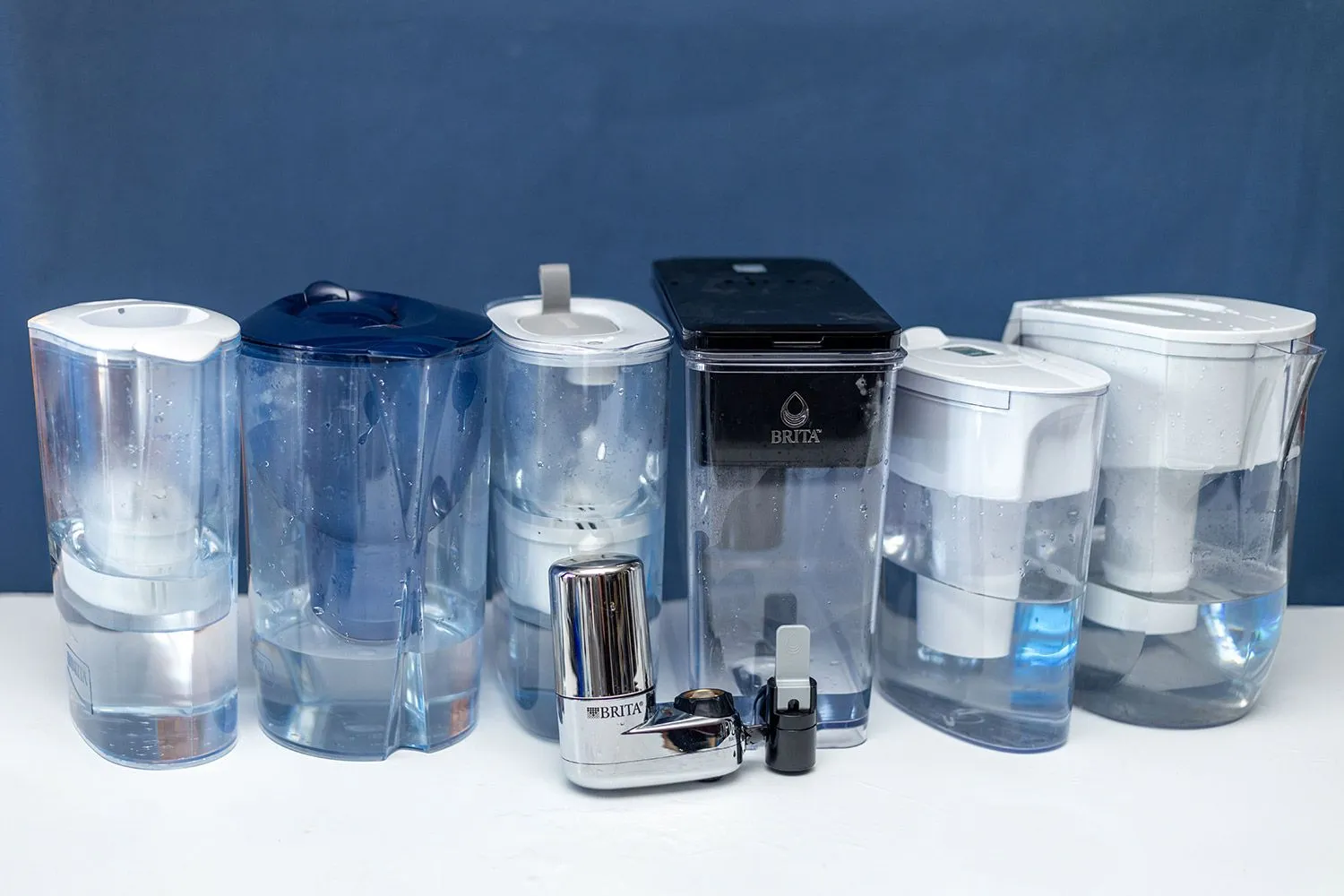
When it comes to drinking water at home, many of us want a simple, affordable, and effective solution. Brita filters have been popular for decades, but the question remains: are brita filters good for removing chlorine and metals from your tap water? This article explores how Brita filters work, their effectiveness, and real-life experiences to help you decide if they are right for your home.
How Brita Filters Work
Carbon Filtration Basics
Brita filters primarily use activated carbon to remove contaminants. Activated carbon is highly porous, meaning it has a large surface area that attracts impurities. This process is effective in:
- Reducing chlorine, which affects water taste and odor
- Capturing some metals like lead and copper
- Filtering out certain sediments and particles
Ion Exchange Resin
In addition to carbon, many Brita filters include an ion exchange resin. This resin helps:
- Reduce heavy metals, such as copper, cadmium, and mercury
- Soften hard water slightly by replacing calcium and magnesium ions
- Improve overall taste and clarity
By combining carbon and ion exchange resin, Brita filters aim to deliver safer, cleaner, and better-tasting water.
Are Brita Filters Good for Chlorine Removal?
Why Chlorine is a Concern
Chlorine is commonly added to tap water to kill bacteria. While effective for sanitation, chlorine can affect taste and smell. Many people notice a chemical taste when drinking unfiltered tap water.
How Brita Helps
Brita filters are good at removing chlorine because:
- Activated carbon absorbs chlorine molecules efficiently
- Regular filter replacement maintains optimal chlorine reduction
- Many users report a noticeable improvement in water taste after using Brita
A practical example is Jane, a student in Denver, who noticed that her tap water smelled strongly of chemicals. After switching to a Brita pitcher, the chlorine taste was nearly gone, making her water much more enjoyable.
Limitations
While Brita does reduce chlorine, it cannot remove all types of chemical contaminants. For instance, volatile organic compounds (VOCs) or certain industrial pollutants may not be fully filtered.
Are Brita Filters Good for Metal Removal?
Metals in Tap Water
Metals such as lead, copper, and mercury can enter tap water through old pipes or plumbing systems. Even low levels of these metals over time may affect health, particularly in children and pregnant women.
Effectiveness of Brita
Brita filters are good at removing certain metals:
- Lead: Up to 99% reduction in lab tests
- Copper: Significant reduction, improving water taste
- Mercury and cadmium: Moderate reduction, depending on filter type
Real-life scenario: In a household with older plumbing, residents reported a metallic taste in tap water. After installing a Brita filter, the metallic taste diminished considerably, proving its effectiveness in everyday use.
What Brita Can’t Do
Brita filters are not designed to remove all metals or industrial contaminants. For water with high metal content, specialized filters or reverse osmosis systems may be more effective.
Brita vs Other Filtration Methods
Pitcher vs Faucet Filters
Brita offers both pitcher and faucet-mounted options. Pitchers are convenient, portable, and easy to use, while faucet filters provide continuous filtration. Both use the same combination of carbon and ion exchange resin, but pitchers are ideal for small households or offices.
Brita vs Pur
A common debate is Brita vs Pur. While both brands reduce chlorine and metals, Pur filters often remove slightly more lead and some additional contaminants. However, Brita is usually more affordable and widely available. The choice depends on your budget and water quality concerns.
Cost and Maintenance
Brita filters are cost-effective for most households. Filter cartridges typically last two months or 40 gallons, whichever comes first. Regular replacement ensures that chlorine and metal removal remain effective.
Real-Life Tips for Using Brita Filters
- Always follow the manufacturer’s instructions for filter replacement
- Pre-rinse the filter before first use to remove carbon dust
- Store filtered water in the refrigerator for freshness
- If your tap water contains high levels of metals, consider testing before relying solely on a Brita filter
Benefits of Regular Use
Using a Brita filter consistently can:
- Improve water taste and odor
- Reduce exposure to certain metals and chlorine
- Encourage higher water consumption due to better flavor
Case Study: A Household Experience
A family of four in Vancouver reported that their tap water had a noticeable chlorine smell and a metallic taste. They installed a Brita pitcher and noticed the following within a week:
- Water tasted cleaner and more refreshing
- Cooking with filtered water improved the flavor of tea and soups
- No metallic taste in water used for drinking or cooking
This example demonstrates that Brita filters are good for everyday tap water improvements.
Are Brita Filters Good for Improving Taste?
How Taste Improves with Filtration
When considering are Brita filters good, taste is often the first thing users notice. Brita filters reduce chlorine and some metals, which are the main causes of bad-tasting tap water. Many people report a fresher, cleaner taste within the first few uses of a Brita pitcher or faucet filter.
Everyday Drinking Experience
A simple test at home can answer are Brita filters good for taste. Fill a glass from the tap and another from a Brita filter. Most people immediately notice that water from the Brita filter tastes smoother and less chemical-laden, proving that the filters work effectively for everyday drinking water.
Are Brita Filters Good for Removing Chlorine?
Chlorine Reduction Explained
When you ask are Brita filters good at removing chlorine, the answer is clear: yes. Activated carbon in Brita filters traps chlorine molecules, reducing both odor and taste issues caused by chlorine in tap water. Regular use ensures your water remains pleasant for drinking and cooking.
Impact on Cooking and Beverages
Filtered water improves not only drinking taste but also cooking. Many users who wonder are Brita filters good notice that tea, coffee, and soups taste better when prepared with Brita-filtered water, as chlorine and minor metallic traces are removed.
Are Brita Filters Good for Metal Contaminants?
Metal Reduction Capabilities
If your concern is metal content in tap water, it’s natural to ask are Brita filters good at reducing metals. Brita filters can remove lead, copper, and some other metals using ion exchange resin. While not perfect, the reduction is significant enough for most households.
Practical Household Impact
Families often test are Brita filters good by noticing changes in taste or color from older pipes. After using a Brita filter, the metallic taste is usually diminished, showing that Brita filters are effective for everyday water safety concerns regarding metals.
Are Brita Filters Good for Long-Term Use?
Longevity and Maintenance
For long-term users, are Brita filters good depends on maintenance. Changing the filter every two months or 40 gallons keeps the filtration efficient. Neglecting this step can reduce chlorine and metal removal effectiveness.
Cost-Effectiveness Over Time
Considering the price and ease of use, many people ask are Brita filters good for their wallets too. Brita filters are affordable compared to other home filtration systems and provide consistent results when maintained properly, making them a reliable option for long-term use.
Conclusion
So, are Brita filters good for removing chlorine and metals? The answer is yes, but with limitations. Brita filters effectively reduce chlorine, improve taste and odor, and remove some metals like lead and copper. They are easy to use, cost-effective, and ideal for households with moderate water concerns. However, for water with extremely high levels of contaminants or industrial chemicals, more advanced filtration methods may be necessary. Overall, Brita filters provide a reliable solution for cleaner, better-tasting tap water in everyday use. Head back to the main page for fresh updates and trending topics.
FAQs
How often should I replace my Brita filter?
Brita filters should be replaced every two months or after filtering 40 gallons of water. Regular replacement ensures optimal removal of chlorine and metals.
Can Brita filters remove all metals from water?
No, Brita filters are good at reducing lead, copper, and some other metals but cannot remove all industrial or high-level metal contaminants.
Is Brita better than boiling water?
Boiling water kills bacteria but does not remove chlorine or metals. Brita filters are good for improving taste and reducing certain metals, which boiling cannot achieve.